
Black Spots on Leaves: Disease, Pests, or Water Damage?
317 views
A few tiny black spots don't seem like a big deal. Then, a week later, half the plant looks sick.
That's how it usually starts.
I've seen gardeners throw away perfectly healthy plants because they assumed every black mark meant a deadly fungal infection. I've also watched expensive roses slowly decline because someone blamed "overwatering" while a fungal disease quietly spread through the entire bed.
The frustrating part? Black spots can come from completely different causes that often look surprisingly similar.
A fungal pathogen leaves one pattern. Sap-sucking insects create another. Water damage has its own clues. Even fertilizer burn, sun scorch, and environmental stress occasionally produce dark lesions that confuse experienced growers.
Knowing which problem you're actually dealing with saves time, money, and often the plant itself.
Don't Treat the Spots First—Identify Them
The biggest mistake is reaching for a fungicide before knowing why the spots appeared.
Take a close look instead.
Three questions usually narrow the possibilities quickly:
Are the spots perfectly round or irregular?
Do they spread to nearby leaves?
Is there anything living on the plant?
Those answers matter far more than the size of the spots.
Sometimes I even use my phone's macro camera instead of guessing with the naked eye. Modern smartphones can reveal tiny insects, fungal fruiting bodies, or mite damage that aren't obvious otherwise.
If possible, inspect both sides of the leaf. Many pests spend almost all their time underneath.
Disease: The Most Common Culprit
Fungal diseases account for a large percentage of black leaf spotting in ornamental plants, vegetables, fruit trees, and landscape shrubs.
Humidity changes everything.
Leaves that remain wet for several hours create ideal conditions for fungal spores to germinate. Research from university extension programs consistently shows that many common leaf spot fungi require prolonged leaf wetness—often between 6 and 12 hours—combined with moderate temperatures to infect plant tissue.
Classic fungal black spot symptoms
You might notice:
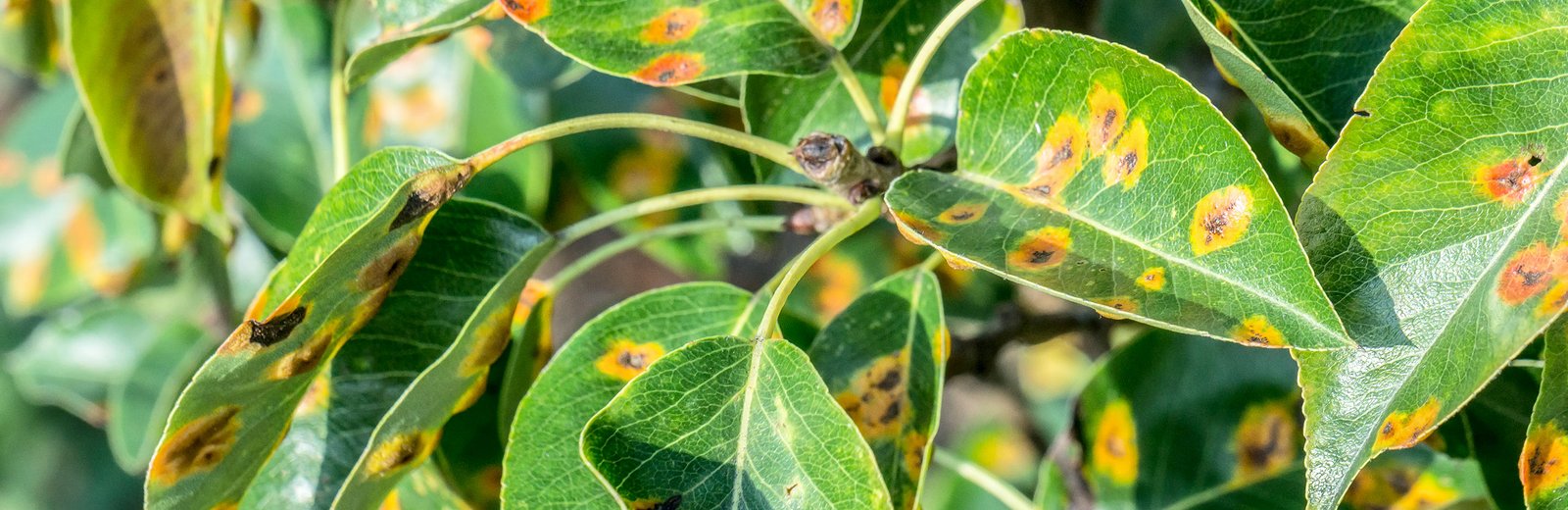
Circular black or dark brown lesions
Yellow halos surrounding spots
Spots slowly enlarging over several days
Lower leaves infected first
Leaves dropping prematurely
The disease rarely appears overnight.
Instead, it slowly climbs upward through the canopy.
Rose Black Spot
One of the best-known examples is Diplocarpon rosae, the fungus responsible for rose black spot.
Typical symptoms include:
Characteristic | Appearance |
|---|---|
Spot color | Deep black |
Shape | Circular with fringed edges |
Halo | Yellow tissue surrounding spots |
Spread | Begins on lower leaves |
Result | Premature leaf drop |
Heavy infections weaken roses because repeated defoliation reduces photosynthesis.
Gardeners often mistake this for nutrient deficiency.
It isn't.
Tomato Leaf Spot Diseases
Tomatoes frequently develop dark spotting from diseases like:
Septoria leaf spot
Early blight (Alternaria solani)
Bacterial spot
Early blight usually produces concentric "target-like" rings inside older lesions.
Septoria spots remain much smaller—often only 2–3 mm across—with dark margins and pale centers.
That little difference changes treatment decisions.
Could Insects Be Responsible?
Absolutely.
Not every black spot comes from a pathogen.
Several insects either create black feeding scars or leave black waste deposits called frass.
Spider mites, aphids, thrips, scale insects, lace bugs, and whiteflies often leave clues that mimic disease.
Here's what many gardeners overlook:
The insects themselves may be gone by the time the damage becomes obvious.
Thrips
Thrips scrape leaf surfaces and suck out plant cells.
Symptoms often include:
Tiny black specks (their droppings)
Silvery streaks
Distorted new growth
Scarred flowers
Shake a flower over white paper.
Tiny moving insects may suddenly become visible.
Lace Bugs
Azaleas, rhododendrons, and some ornamental shrubs commonly suffer lace bug infestations.
Look underneath affected leaves.
You'll often find:
Black varnish-like droppings
Pale feeding damage
Adult insects clustered beneath foliage
Without flipping leaves over, it's easy to misdiagnose the problem as fungal spotting.
Water Damage Isn't Always About Too Much Water
This surprises people.
Water itself doesn't create black fungal-looking spots.
Indirectly, though, watering habits often trigger the conditions that do.
Overhead irrigation
Sprinklers wet foliage repeatedly.
If leaves remain damp overnight, fungal spores have far more opportunity to infect tissue.
Drip irrigation avoids most of that problem by delivering water directly to the soil.
Commercial greenhouse growers rely heavily on drip systems for exactly this reason.
Overwatering
Roots deprived of oxygen become stressed.
A stressed plant becomes less capable of resisting pathogens.
Eventually you may see:
Blackened leaf edges
Root rot symptoms
Wilting despite wet soil
General yellowing
Notice the difference?
The damage usually affects the whole plant instead of producing neat circular spots.
Splash contamination
Heavy rain or aggressive watering splashes fungal spores from soil onto lower leaves.
That's one reason tomato growers often apply organic mulch.
A simple layer of straw or shredded bark dramatically reduces soil splash and lowers disease pressure.
Environmental Problems That Look Similar
Not every black mark is biological.
Cold injury, fertilizer burn, sun scorch, and chemical exposure occasionally produce dark lesions.
I've seen homemade neem oil mixtures sprayed during hot afternoons leave blackened patches within hours.
The plant wasn't infected.
The leaves were burned.
Herbicide drift causes another confusing symptom. Tiny dark dead areas may appear several days after neighboring weeds are sprayed.
Context matters.
Always think about what changed recently.
A Simple Comparison
Symptom | Disease | Pest | Water/Stress |
|---|---|---|---|
Circular spots | Usually | Rarely | Rare |
Yellow halo | Common | Uncommon | Rare |
Insects visible | No | Usually | No |
Spots spread rapidly | Often | Sometimes | Usually not |
Entire plant wilts | Sometimes | Heavy infestations | Frequently |
Black droppings | No | Common | No |
One symptom rarely tells the whole story.
Patterns do.
How Professionals Narrow It Down
Commercial growers don't rely on guesswork.
They combine observation with environmental conditions.
Here's a practical approach anyone can use.
Step 1: Inspect the leaf
Check:
Upper surface
Lower surface
Leaf veins
Stem
Nearby leaves
Don't stop after finding the first spot.
Step 2: Think about recent weather
Ask yourself:
Has it been humid?
Several rainy days?
Watering late in the evening?
Sudden heatwave?
Recent fertilizer application?
The timeline often reveals more than the symptoms.
Treatment Depends on the Cause
Using the wrong treatment wastes both money and time.
For fungal diseases
Remove badly infected leaves.
Improve airflow by thinning crowded growth.
Water early in the morning so foliage dries quickly.
Avoid wetting leaves whenever possible.
Preventive fungicides containing active ingredients such as chlorothalonil, copper compounds, or sulfur are commonly recommended for susceptible plants, while many home gardeners also use biological products containing Bacillus subtilis strains. Always follow the product label, as approved active ingredients vary by country and crop.
For insect problems
Identify the pest first.
Then choose the least disruptive control.
Options may include:
Insecticidal soap
Horticultural oil
Neem-based products
Manual removal
Beneficial insects such as lady beetles or lacewings
Broad-spectrum insecticides can eliminate natural predators and sometimes make mite outbreaks worse.
I've watched that happen more than once.
For watering issues
Adjust irrigation rather than increasing treatments.
Water deeply.
Water less frequently.
Let the upper layer of soil dry slightly between waterings unless the plant species requires consistently moist conditions.
Good drainage solves many recurring problems.
Prevention Is Easier Than Recovery
Healthy plants still get diseases.
They simply recover better.
Several habits consistently reduce black spotting problems:
Space plants according to mature size instead of planting too densely.
Clean fallen leaves at the end of the season because many fungal pathogens overwinter in plant debris.
Sterilize pruning tools with 70% isopropyl alcohol or a properly diluted household bleach solution between infected plants.
Apply mulch to reduce soil splash.
Choose disease-resistant cultivars whenever available.
Water at soil level instead of spraying foliage.
Those simple changes often outperform repeated chemical treatments.
Frequently Asked Questions
Are black spots always a fungal disease?
No. Black spots may result from fungal pathogens, bacterial infections, insect feeding, insect droppings, environmental stress, fertilizer burn, or root problems. Look for patterns rather than assuming every spot has the same cause.
Should I remove spotted leaves?
If fungal disease is suspected, removing heavily infected leaves can reduce the number of spores available to spread. Avoid removing more than about one-third of the foliage at a time, since excessive pruning can stress the plant.
Can rain alone cause black spots?
Rain doesn't directly create black lesions, but extended periods of leaf wetness encourage fungal infections. Heavy rain can also splash pathogens from contaminated soil onto lower leaves.
Will black spots disappear after treatment?
Existing damaged tissue usually stays damaged. Successful treatment prevents new spots from forming rather than restoring the old ones.
Is it safe to compost infected leaves?
Usually not. Many fungal pathogens survive in leaf debris, especially if a compost pile doesn't reach temperatures high enough to kill spores. Disposing of heavily infected material is generally the safer choice.
Catch the Pattern Before It Spreads
Black spots rarely appear without leaving clues.
Look beyond the color. Notice where the spots begin, how quickly they spread, whether insects are present, and what the weather has been doing over the past week. That combination tells a far more accurate story than the spots alone.
A careful inspection today often prevents a much bigger problem next month—and keeps healthy plants growing instead of ending up in the compost pile.
black leaf spots
plant disease symptoms
leaf spot diagnosis
plant troubleshooting
indoor plant problems
Found this helpful? Share it!