
Snake Plant Profile: Easy Care and Air-Purifying Benefits
450 views
A snake plant can survive weeks of neglect. That's exactly why so many people buy one.
Then the problems begin.
Leaves suddenly wrinkle. The plant gets mushy near the base. Someone waters it every Saturday because "plants need water," only to discover they've slowly drowned one of the toughest houseplants around. I've seen it happen more than once, especially in offices where three different people assume nobody else has watered the plant.
The truth is surprisingly simple: snake plants thrive because they prefer being left alone. Once you understand how they naturally grow, caring for them becomes almost effortless.
Meet the Snake Plant
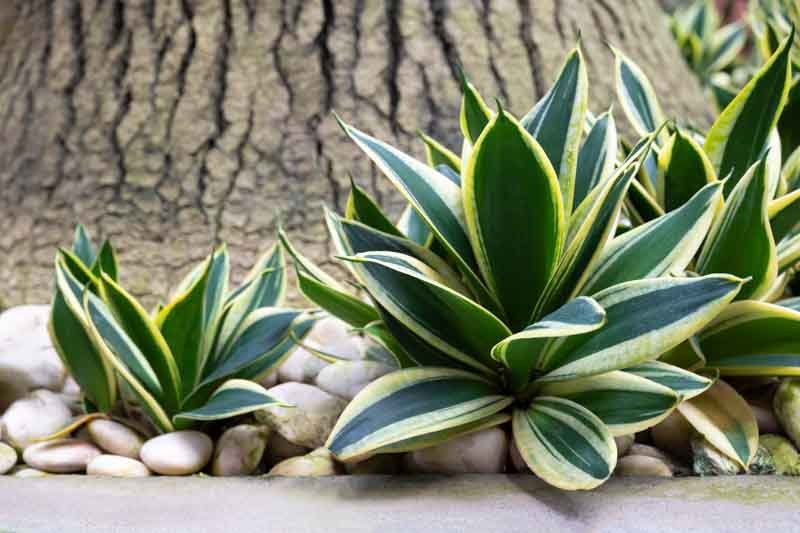
Botanically known as Dracaena trifasciata, the snake plant was previously classified as Sansevieria trifasciata. Many garden centers, plant labels, and online shops still use the older Sansevieria name, so you'll regularly see both.
Native to tropical West Africa, the plant evolved in rocky, dry regions where rainfall can be unpredictable. That background explains almost every care recommendation you'll read.
Common names include:
Snake Plant
Mother-in-Law's Tongue
Saint George's Sword
Viper's Bowstring Hemp
Unlike many leafy houseplants, snake plants use a specialized form of photosynthesis called CAM (Crassulacean Acid Metabolism). Their leaf pores open mainly at night instead of during the hottest daytime hours, allowing the plant to conserve water extremely efficiently.
That's one reason they tolerate forgotten watering schedules far better than most indoor plants.
Why Snake Plants Have Stayed Popular for Decades
Houseplant trends come and go.
Snake plants never really disappear.
Part of the appeal is obvious. Their upright, architectural leaves work almost anywhere—minimalist apartments, modern offices, traditional homes, even hotel lobbies.
Maintenance helps too.
I've seen healthy specimens growing under fluorescent office lights for years with little more than occasional watering. They weren't thriving as fast as greenhouse-grown plants, but they remained attractive despite conditions that would stress many tropical species.
A mature plant typically reaches:
Feature | Typical Range |
|---|---|
Height | 12–48 inches (30–120 cm) |
Width | 8–36 inches |
Growth Rate | Slow to moderate |
Lifespan | Often 10–25+ years indoors |
Some collectors have plants passed between family members for decades.
The Air-Purifying Reputation: What Science Actually Says
Snake plants became famous after NASA's Clean Air Study in 1989 identified several houseplants capable of removing volatile organic compounds (VOCs) like benzene, formaldehyde, trichloroethylene, and xylene under controlled laboratory conditions.
That study was genuine.
Its results are often misunderstood.
Laboratory chambers used sealed environments that don't reflect normal homes with open doors, ventilation systems, HVAC airflow, and frequent air exchange. More recent research from universities and indoor air quality specialists suggests that while houseplants can absorb small amounts of certain airborne chemicals, you'd need dozens—or even hundreds—of plants in a typical room to produce measurable improvements comparable to mechanical ventilation.
So should you buy a snake plant for cleaner air?
Yes...just with realistic expectations.
The biggest benefits are usually:
Adding greenery that improves perceived indoor comfort
Slight humidity moderation in some environments
Limited VOC absorption under certain conditions
Psychological benefits associated with indoor plants
Fresh outdoor air, proper ventilation, and HVAC filtration remain far more effective for improving indoor air quality.
Light Requirements Aren't Complicated
People often say snake plants "love low light."
That's only half true.
They survive low light remarkably well.
They actually grow best in bright, indirect light.
Here's what typically happens under different conditions:
Light Level | Expected Growth |
|---|---|
Bright indirect light | Fastest growth and strongest leaf color |
Morning direct sun | Usually excellent |
Afternoon harsh sun | May scorch leaves through hot windows |
Medium indoor light | Healthy but slower growth |
Low light | Survives, grows very slowly |
One mistake I frequently notice is placing a snake plant in a completely windowless bathroom. It may stay green for months because growth nearly stops, giving the illusion everything is fine.
Eventually, though, the plant begins weakening.
Even low-light plants still need some light.
Watering: Less Really Is More
Most snake plants die from kindness.
Not neglect.
Their thick leaves store water, and underground rhizomes act as additional reservoirs.
A practical watering routine looks like this:
Let the potting mix dry completely.
Water thoroughly until excess drains from the bottom.
Empty any decorative cachepot after draining.
That's it.
During summer, many indoor plants need watering every two to four weeks depending on temperature, humidity, pot size, and light levels.
Winter often stretches that interval to four to eight weeks.
Rather than following a calendar, check the soil. Push a finger several inches down or use a moisture meter. If the mix still feels damp, wait.
Soil Matters More Than Fancy Fertilizer
Regular garden soil is usually too dense.
Snake plants prefer fast-draining media similar to what you'd use for succulents.
A dependable mix often includes:
Commercial cactus or succulent potting soil
Extra perlite
Pumice or coarse horticultural sand
Drainage holes are non-negotiable.
Decorative containers without drainage frequently trap water beneath the root ball, creating perfect conditions for root rot.
Terracotta pots also deserve mention. They're porous, allowing moisture to evaporate through the container walls, which reduces the risk of overwatering compared with glazed ceramic or plastic pots.
Temperature, Humidity, and Fertilizer
Average indoor conditions suit snake plants surprisingly well.
Aim for temperatures between 60°F and 85°F (16°C–29°C).
Cold damage starts becoming likely below 50°F (10°C), especially if the soil is wet.
Humidity?
Don't worry too much.
Unlike calatheas or many tropical ferns, snake plants tolerate dry indoor heating surprisingly well.
Fertilizer should also stay modest.
One balanced liquid fertilizer diluted to half strength every four to eight weeks during active spring and summer growth is generally enough. Skip feeding during winter when growth naturally slows.
Too much fertilizer often causes salt buildup rather than faster growth.
Common Problems and Quick Fixes
Yellow Leaves
Usually a watering issue.
If the soil stays wet for long periods, roots begin suffocating before fungal problems appear.
Soft Base
This often signals root rot.
Remove the affected sections immediately and inspect healthy rhizomes before repotting into fresh, dry soil.
Brown Tips
Several factors can contribute:
Inconsistent watering
Fluoride-sensitive plants exposed to heavily treated tap water
Physical leaf damage
Natural aging
Wrinkled Leaves
Counterintuitively, wrinkled leaves don't always mean thirst.
Severely damaged roots can no longer absorb water even when soil remains moist.
Always inspect the root system before simply watering again.
Easy Ways to Propagate More Plants
Snake plants multiply through underground rhizomes.
Eventually, new shoots appear beside the parent.
Division remains the fastest propagation method.
Simply remove the plant during repotting and separate healthy rhizome sections containing both roots and leaves.
Leaf cuttings also work.
Cut a mature leaf into 3- to 4-inch sections, allow the cut ends to dry for a day, then insert the correct end into lightly moist propagation mix.
Patience helps.
Root development often takes several weeks.
One small catch: variegated cultivars propagated from leaf cuttings frequently lose their yellow margins and revert to solid green. Division preserves the original appearance.
Are Snake Plants Safe Around Pets?
Unfortunately, not completely.
Snake plants contain saponins, naturally occurring compounds that can cause mild gastrointestinal irritation if cats or dogs chew the leaves.
Typical symptoms include:
Drooling
Vomiting
Nausea
Mild diarrhea
Serious poisoning is uncommon, but it's still wise to place the plant where curious pets can't reach it.
For households with persistent leaf-chewers, choosing a pet-safe alternative may be the better option.
Frequently Asked Questions
How often should I water a snake plant?
Water only after the soil has completely dried. Depending on indoor conditions, this may range from every two weeks in bright summer conditions to every six or eight weeks during winter.
Can snake plants survive without sunlight?
They tolerate low light exceptionally well but still require some natural or artificial light to remain healthy over the long term. Completely dark rooms aren't suitable.
Why isn't my snake plant growing?
Slow growth is normal. Insufficient light, cool temperatures, root-bound conditions, or winter dormancy can reduce growth even further.
Should I mist snake plant leaves?
No. Misting provides little benefit and can encourage moisture to collect where leaves emerge, increasing the risk of rot.
Do snake plants really clean indoor air?
They can absorb small amounts of certain airborne chemicals under laboratory conditions, but real homes rely primarily on ventilation and air filtration for meaningful air-quality improvements. Think of air purification as a minor bonus rather than the main reason to own one.
A Plant That Rewards Restraint
The hardest lesson with snake plants isn't learning what to do—it's learning what not to do.
Resist the urge to water on a schedule. Give the roots fast-draining soil. Place the pot where it receives decent light instead of hiding it in a dark corner. Follow those simple habits, and a healthy snake plant can remain part of your indoor space for many years, quietly producing new shoots while asking for remarkably little in return.
snake plant
snake plant care
air purifying plants
indoor plants
low maintenance plants
sansevieria
houseplant benefits
bedroom plants
easy indoor plants
plant care tips
Found this helpful? Share it!