
Indoor Plant Styling Ideas to Elevate Your Space
378 views
A healthy plant can still make a room look... off.
It happens more often than people admit. You buy a beautiful monstera, place it in the nearest empty corner, water it regularly, and then wonder why the space still feels cluttered instead of calming. The problem usually isn't the plant. It's the styling.
I've rearranged indoor plants more times than I can count. Sometimes moving a pot just half a meter transforms an entire room. Other times, the expensive ceramic planter ends up looking awkward while an old woven basket suddenly becomes the perfect fit. Small decisions matter.
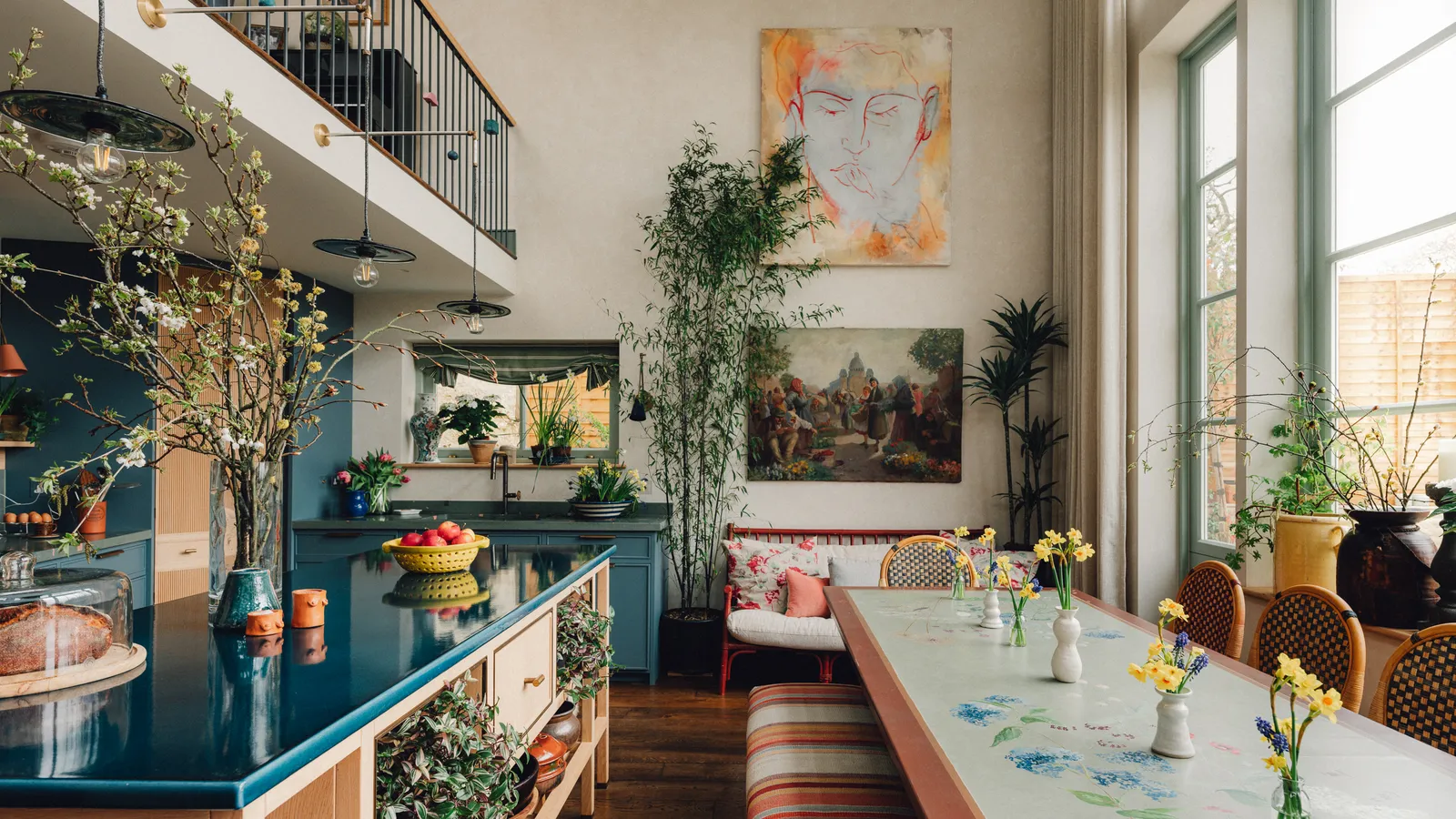
Plant styling isn't about filling every shelf with greenery. It's about using living elements to guide the eye, soften hard lines, and create balance throughout your home.
Start With the Room, Not the Plant
Most decorating mistakes begin with buying a plant first and searching for a place afterward.
Reverse that process.
Walk through the room and notice what's missing. Does one corner feel empty? Is a large wall making the space look cold? Does your desk need something that softens all the screens and cables?
Those questions lead to better styling decisions than simply asking, "Where can I put this pothos?"
Think of plants as furniture accessories rather than decorations. They occupy visual weight, create height differences, and influence how spacious a room feels.
A few examples:
Room Feature | Styling Approach |
|---|---|
Empty floor corner | Tall floor plant like a Bird of Paradise or Rubber Plant |
Coffee table | Small arrangement with trailing vines |
Floating shelves | Compact plants mixed with books and framed artwork |
Bathroom | Humidity-loving plants such as ferns or peace lilies |
Kitchen windowsill | Herbs or compact succulents with matching containers |
Notice something?
Each placement solves a visual problem before adding greenery.
Build Different Heights
Flat arrangements rarely look interesting.
Instead, create layers.
A typical living room might include:
A tall floor plant around 120–180 cm tall
Medium-sized plants on side tables
Hanging vines near windows
Tiny accent plants on shelves
The varying heights naturally pull your eyes around the room.
Odd numbers also tend to feel more balanced than perfectly symmetrical arrangements. Three plants of different sizes usually look better than four identical ones lined up side by side.
Not always. But often.
Light Should Drive Every Styling Decision
Pinterest photos can be misleading.
That gorgeous fiddle leaf fig sitting in a dark hallway probably spent five minutes there for the photo before returning to a bright window.
Plants don't care about interior design trends.
They care about light.
Before choosing placement, identify the natural lighting throughout the day.
Light Level | Suitable Plants |
|---|---|
Bright direct sun | Cactus, Aloe Vera, Jade Plant |
Bright indirect light | Monstera, Fiddle Leaf Fig, Philodendron |
Medium light | ZZ Plant, Chinese Evergreen |
Low light | Snake Plant, Cast Iron Plant |
One mistake I've seen repeatedly involves rotating plants every few weeks simply because someone gets bored.
Many species dislike constant repositioning. Fiddle Leaf Figs, for example, often respond by dropping leaves after repeated moves or sudden lighting changes. Stability usually produces healthier growth.
Don't Ignore the Pot
The container often influences the room more than the foliage.
Seriously.
A healthy pothos inside a cheap plastic nursery pot rarely feels intentional.
Fortunately, you don't need expensive designer ceramics.
Some combinations work consistently well:
Matte white ceramic for Scandinavian interiors
Natural woven baskets for relaxed, earthy spaces
Concrete planters for industrial apartments
Terracotta pots for Mediterranean or rustic styling
Black matte containers for modern minimalist rooms
Just remember one practical detail.
Decorative cachepots still need drainage. Keep the nursery pot inside the decorative planter or use drainage holes with a matching saucer. Root rot usually starts because excess water has nowhere to escape.
Group Plants Like They Belong Together
Scattering single plants across every available surface often creates visual noise.
Grouping creates impact.
Try combining plants with contrasting textures instead of identical leaves.
For example:
Plant | Texture |
|---|---|
Snake Plant | Upright, architectural |
Boston Fern | Soft and feathery |
Pothos | Cascading vines |
Calathea | Bold patterned foliage |
Together, these produce far more visual interest than four snake plants sitting in separate corners.
Leave breathing room between each grouping.
Crowded shelves rarely feel relaxing.
Use Vertical Space
Floor space disappears quickly.
Walls don't.
Living walls have become increasingly popular, but even simple solutions work well:
Install floating shelves with trailing plants.
Hang planters near bright windows instead of filling tabletops.
Macramé hangers remain popular for good reason. They add texture without occupying valuable furniture space.
Wall-mounted propagation tubes also make surprisingly attractive displays, especially for pothos, philodendrons, and monstera cuttings growing in water.
Mix Natural Materials
Plants already introduce organic shapes.
Pairing them with similar materials strengthens the overall look.
Consider combining:
Oak shelving
Linen curtains
Stone planters
Woven baskets
Rattan furniture
Bamboo accents
Glass, chrome, and polished metal still have their place. Too many reflective surfaces, though, can make indoor greenery feel disconnected from the rest of the room.
A little contrast works.
Too much becomes distracting.
Color Matters More Than You Think
Not every plant is simply "green."
Some varieties introduce deep burgundy, silver, lime, cream, or nearly black foliage.
Examples include:
Calathea ornata with pink striping
Philodendron 'Pink Princess'
Aglaonema varieties with red highlights
Rex Begonia with metallic patterns
Tradescantia zebrina featuring purple undersides
Matching foliage colors with cushions, artwork, or rugs subtly ties an entire room together without looking forced.
Let Empty Space Exist
One of the biggest styling improvements I've learned involved removing plants instead of buying more.
Counterintuitive.
Yet effective.
Negative space gives larger specimens room to become focal points.
Imagine placing one mature Bird of Paradise beside a reading chair instead of squeezing seven small succulents onto every nearby surface.
The larger plant immediately commands attention.
Everything else feels calmer.
Seasonal Styling Keeps Rooms Feeling Fresh
Indoor plants don't have to stay in one arrangement forever.
Changing accessories every few months keeps familiar plants looking new.
Spring may call for lighter ceramic pots.
Autumn works beautifully with terracotta, woven baskets, and warmer earth tones.
Winter? Try subtle white planters alongside warm wooden furniture and soft lighting.
The plants remain the same.
The atmosphere changes.
Common Styling Mistakes Worth Avoiding
Experience usually teaches these lessons the hard way.
Here's a quick reference.
Mistake | Better Approach |
|---|---|
Buying oversized plants for tiny rooms | Match mature size to available space |
Blocking windows with dense foliage | Leave natural light pathways open |
Using identical pots everywhere | Introduce subtle texture variation |
Overcrowding shelves | Leave intentional gaps |
Ignoring maintenance access | Keep enough room to water and prune comfortably |
Another overlooked issue involves air circulation.
Plants pressed tightly into corners behind curtains often experience slower drying soil, encouraging fungus gnats or mold. A few extra centimeters of airflow can prevent recurring problems.
Smart Accessories That Actually Help
Technology isn't essential for indoor gardening.
Still, a few practical tools genuinely improve both plant health and styling.
Self-watering planters with reservoir indicators work well for frequent travelers, though they're less suitable for succulents that prefer drying between waterings.
Rechargeable grow lights using full-spectrum LEDs—typically between 5000K and 6500K—can supplement natural light during darker months. Many modern models include timers with 8-, 12-, and 16-hour cycles, making them easier to manage than older plug-in systems.
Digital hygrometers cost relatively little but quickly reveal why tropical plants struggle in heated homes during winter. Indoor humidity often drops below 35%, while many rainforest species perform better around 50% to 60%.
Even simple furniture pads placed beneath heavy ceramic pots can protect hardwood floors while making seasonal rearranging much easier.
Little improvements add up.
Frequently Asked Questions
How many indoor plants should I have in one room?
There isn't a universal number. A small room may feel balanced with two or three carefully placed plants, while a large open living area can comfortably support eight or more if they're grouped thoughtfully and don't obstruct movement.
Which indoor plants are easiest to style?
Snake Plants, Pothos, ZZ Plants, Monstera deliciosa, and Rubber Plants adapt well to many decorating styles because their shapes remain attractive throughout the year and they tolerate a range of indoor conditions.
Can indoor plants make a small room feel larger?
Yes. Strategic placement often creates the illusion of more space. Using vertical height, keeping floor pathways open, and avoiding cluttered arrangements helps rooms feel more open rather than crowded.
Should every planter match?
Not necessarily. Matching materials with slight variations in size, color, or texture usually creates a more natural appearance than identical pots throughout the entire home.
How often should I rearrange indoor plants?
Only when necessary. Decorative accessories can change seasonally, but many plants prefer consistent lighting conditions. Frequent relocation, especially for light-sensitive species, may slow growth or cause leaf drop.
Create One Corner First
You don't need to redesign your entire home this weekend.
Choose a single overlooked corner. Add one healthy plant at the right height, pair it with a container that complements your furniture, and let natural light guide the placement instead of forcing the arrangement. Once that small area feels balanced, the rest of the room becomes much easier to style.
indoor plant styling
home decor plants
indoor plant ideas
plant decor inspiration
stylish houseplants
living room plants
modern plant styling
indoor greenery
plant arrangement ideas
home styling tips
Found this helpful? Share it!