
Best Plant Pots Explained: Materials, Sizes & Drainage
401 views
A healthy plant can still fail in the wrong pot. That's the frustrating part.
Many people blame sunlight, fertilizer, or watering schedules when leaves start yellowing or roots begin rotting. Quite often, the real culprit is sitting underneath the plant. A decorative pot with no drainage. A container that's twice the size it should be. Cheap plastic left baking in afternoon heat.
I've repotted enough houseplants and patio containers to see the same mistakes repeat. The plant itself wasn't difficult to grow. The container simply worked against it.
Choosing a plant pot isn't about matching your living room décor. Material, size, weight, insulation, drainage, and even local climate all affect root health. Once you understand those pieces, buying the right pot becomes much easier—and your plants usually reward you for it.
The Pot Does More Than Hold Soil
Roots need three things at the same time:
Moisture
Oxygen
Room to expand
Miss one, and growth slows.
A container influences how quickly soil dries, how much oxygen reaches the roots, and how stable temperatures remain during hot afternoons or cold nights. Research from university horticulture programs consistently shows that poor root-zone conditions are among the leading causes of container plant failure.
That's why two identical plants can behave completely differently in different pots.
Comparing the Most Common Pot Materials
Every material has strengths. Every one has compromises.
Material | Best For | Advantages | Drawbacks |
|---|---|---|---|
Terracotta | Succulents, cacti, herbs | Excellent airflow, dries quickly | Heavy, fragile, dries soil faster |
Plastic | Indoor plants, beginners | Lightweight, inexpensive, retains moisture | Can overheat in direct sun, lower airflow |
Ceramic (glazed) | Decorative indoor plants | Attractive finish, slower moisture loss | Heavy, often expensive |
Concrete | Large trees, shrubs | Extremely stable, long-lasting | Very heavy, difficult to move |
Fiberglass | Patios, balconies | Lightweight with premium appearance | Higher upfront cost |
Metal | Decorative use | Modern appearance | Conducts heat rapidly, may stress roots |
Fabric grow bags | Vegetables, potatoes | Air pruning improves root branching | Soil dries much faster |
No material wins every category.
Instead, match the container to both the plant and the growing environment.
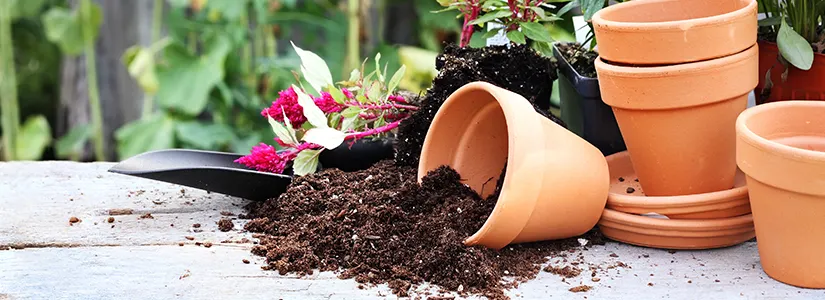
Terracotta: The Classic Choice
Terracotta has been used for centuries for a reason.
Because the clay remains porous after firing, water slowly evaporates through the pot walls. That extra evaporation increases oxygen around the roots and helps prevent soggy soil.
I've noticed one downside repeatedly, especially during summer. A pothos that only needed watering once a week in plastic suddenly wanted water every three or four days after moving into terracotta.
That isn't a defect.
It's exactly how terracotta works.
Plants that appreciate drier conditions usually thrive in it:
Aloe vera
Snake plants
Jade plants
Lavender
Rosemary
Cacti
Plastic Pots Aren't Inferior
Plastic gets dismissed surprisingly often.
Quality nursery containers are actually engineered for commercial growing because they're lightweight, inexpensive to ship, and retain moisture well. High-density polyethylene (HDPE) and polypropylene are among the common plastics used for durable garden containers.
For many indoor plants, that's an advantage.
Less evaporation means fewer watering mistakes.
Just avoid leaving dark-colored plastic pots in full afternoon sun where summer temperatures regularly exceed 35°C (95°F). The root zone can heat surprisingly quickly, especially with black containers.
Ceramic Looks Great—but Weight Matters
Glazed ceramic is popular because it combines beauty with decent moisture retention.
Large ceramic planters, however, become surprisingly difficult to move once filled with moist potting mix. A 40 cm (16-inch) ceramic container can easily weigh over 20 kg after watering.
That becomes an issue during storms, indoor rearranging, or seasonal plant rotation.
If mobility matters, fiberglass often delivers a similar appearance with much less weight.
Picking the Right Pot Size
Bigger isn't always better.
Actually, oversized containers are one of the most common beginner mistakes.
Extra soil holds extra water. If roots haven't grown into that space yet, moisture remains trapped for longer periods, increasing the chance of root rot.
A simple guideline works well:
Current Pot Diameter | New Pot Diameter |
|---|---|
10 cm (4 in) | 12–13 cm (5 in) |
15 cm (6 in) | 18–20 cm (7–8 in) |
20 cm (8 in) | 23–25 cm (9–10 in) |
Usually, increase diameter by only 2–5 cm (1–2 inches).
That's enough room for healthy expansion without creating a swamp underneath.
Drainage Isn't Optional
This deserves emphasis.
A decorative pot without drainage holes should almost never be the plant's permanent home.
Roots constantly consume oxygen.
When excess water can't escape, air pockets inside the soil disappear. Beneficial microbes decline, harmful fungi become more active, and roots begin dying long before leaves show visible symptoms.
Most professional growers insist on drainage holes for exactly this reason.
What if you love a pot without holes?
Use it as a cachepot.
Here's the approach many experienced indoor gardeners follow:
Grow the plant inside a standard nursery pot with drainage.
Place that nursery pot inside the decorative outer container.
Remove it for watering.
Let excess water drain completely before placing it back.
Simple. Effective.
Matching Pot Types to Different Plants
Not every plant wants identical conditions.
Plant Type | Recommended Pot |
|---|---|
Succulents | Terracotta with fast-draining soil |
Orchids | Clear plastic orchid pots with ventilation slots |
Tropical houseplants | Plastic or glazed ceramic |
Herbs | Terracotta or fabric pots |
Tomatoes | Large fabric grow bags or heavy plastic containers |
Citrus trees | Thick plastic or ceramic with excellent drainage |
Indoor palms | Stable plastic containers with drainage holes |
Orchids deserve special mention.
Commercial orchid pots often include side ventilation slots in addition to bottom drainage. Those openings improve airflow around aerial roots, closely mimicking natural growing conditions.
Soil and Pot Material Work Together
People sometimes upgrade the pot while ignoring the soil.
That's only solving half the equation.
A cactus planted in dense, peat-heavy potting mix may still struggle inside terracotta.
Meanwhile, a moisture-loving peace lily can become stressed in an extremely porous mix combined with an unglazed clay pot because everything dries too quickly.
Think of the pot and growing medium as one system.
Change one component, and the other may need adjusting.
Indoor vs Outdoor Containers
Outdoor containers face challenges indoor plants never experience.
Heavy rain.
Strong wind.
UV exposure.
Rapid temperature swings.
Plastic gradually becomes brittle under years of ultraviolet radiation unless it's UV-stabilized. Premium outdoor containers usually advertise UV resistance because prolonged sunlight degrades many plastics over time.
Concrete excels outdoors because it won't tip easily.
Terracotta looks beautiful but can crack if water freezes inside its porous walls during winter in cold climates.
Fiberglass strikes a nice balance for patios. Durable. Lightweight. Easy to reposition.
Common Potting Mistakes That Cost Plants
Not every problem shows up immediately.
Sometimes months pass before the plant begins declining.
The most frequent issues include:
Repotting into containers far too large
Covering drainage holes with solid objects that block water flow
Leaving standing water inside decorative cachepots
Using garden soil instead of quality container potting mix
Ignoring plant-specific moisture preferences
Choosing appearance over function
Watering on a fixed calendar instead of checking soil moisture
One habit changed the way I water everything.
Instead of relying on dates, I push a finger roughly 2–3 cm (about one inch) into the potting mix. If it still feels damp, I wait.
The calendar doesn't know how warm your room was yesterday.
The soil does.
Is Self-Watering Worth Buying?
For frequent travelers or busy households, they can be.
Most self-watering planters include:
A water reservoir
A wick or capillary system
Overflow protection
Water-level indicator on some premium models
They reduce watering frequency, but they aren't maintenance-free.
Salt accumulation still occurs over time, meaning occasional flushing from the top remains beneficial.
Plants that dislike consistently moist roots—many succulents, for example—generally aren't ideal candidates.
Buying Tips That Actually Matter
Fancy finishes fade into the background after a few months.
Daily usability doesn't.
Before purchasing a pot, ask yourself:
Does it have at least one drainage hole?
Can I comfortably lift it after watering?
Will this material suit my climate?
Is it only slightly larger than the current root ball?
Will the soil dry too slowly or too quickly in this container?
Those questions usually matter more than color or shape.
Frequently Asked Questions
How many drainage holes should a plant pot have?
One properly sized drainage hole is generally enough for small pots, while larger containers benefit from multiple holes to allow faster water escape and better airflow.
Can I drill drainage holes into ceramic pots?
Sometimes, yes. Use a diamond-tipped hole saw, keep the surface wet during drilling, and work slowly to reduce the risk of cracking. Thin glazed ceramics are usually easier than thick stoneware.
Should every plant be repotted every year?
No. Fast-growing plants may need annual repotting, but slow growers like snake plants and ZZ plants often remain healthy in the same container for two to three years.
Are fabric grow bags better than regular pots?
For vegetables and many edible crops, often yes. Air pruning encourages dense root systems, although the soil dries faster and usually requires more frequent watering during hot weather.
What color pot is best outdoors?
Lighter-colored containers generally absorb less solar heat than black or very dark pots, helping keep root temperatures lower during intense summer sun.
Give Your Roots the Right Home
The healthiest plants rarely end up in the most expensive containers. They end up in pots that match their needs.
Start with drainage. Choose a material that fits your watering habits and local climate. Increase pot size gradually instead of dramatically. Those three decisions solve most container-growing problems before they ever appear.
The next time you bring home a new plant, spend as much time looking at the pot as you do the leaves. Your roots—and eventually your entire plant—will thank you.
plant pots
best plant pots
plant pot materials
pot drainage
indoor plant pots
outdoor plant pots
choosing plant pots
flower pot sizes
garden pots
decorative plant pots
Found this helpful? Share it!